
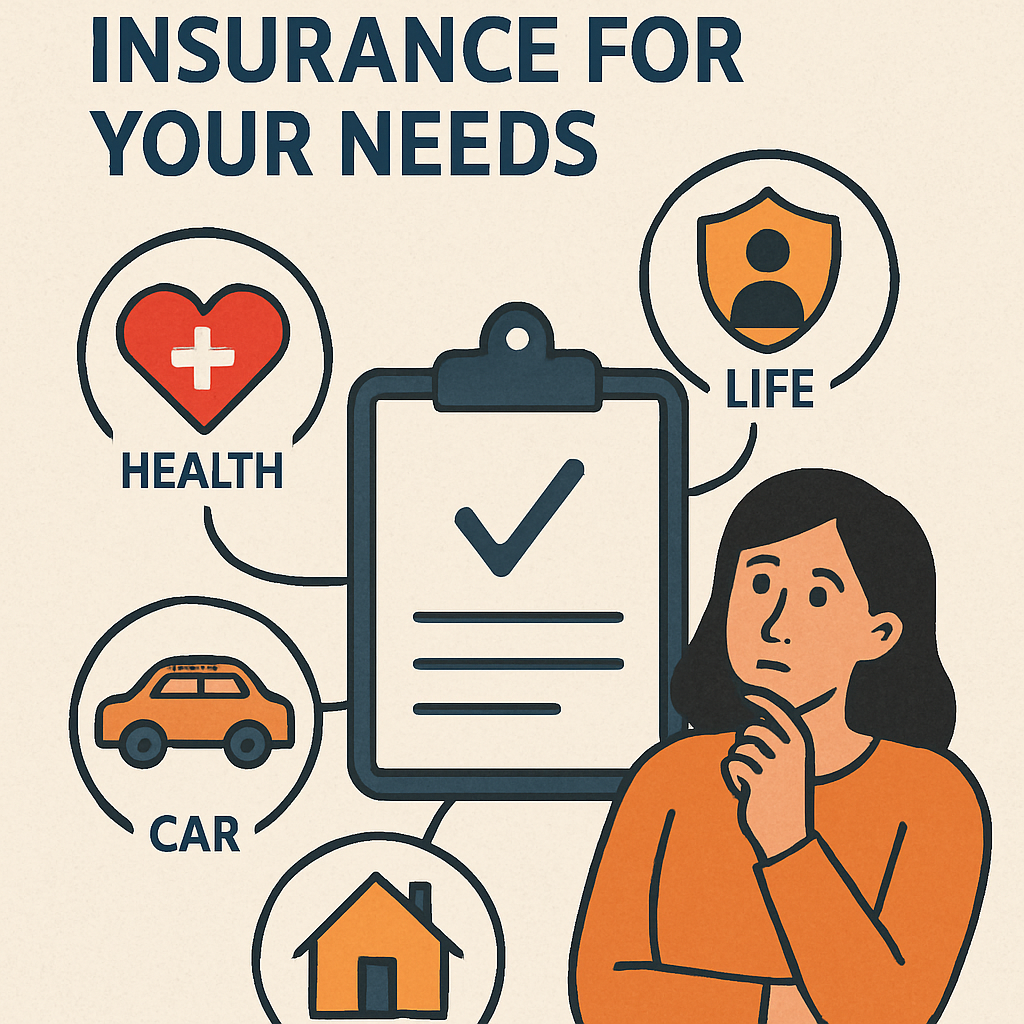
Choosing the right insurance coverage can feel overwhelming, but it’s a crucial step in protecting yourself and your assets. Whether you’re looking for auto insurance, renters insurance, or any other type of coverage, understanding your options is key to making an informed decision. In this guide, we’ll walk you through the process of selecting the best insurance for your needs.
Insurance is a financial safety net that protects you from unexpected events. It works by pooling risk among a large group of people, so when someone experiences a loss, the financial burden is shared. Here’s a more detailed overview of the types of insurance you might encounter:
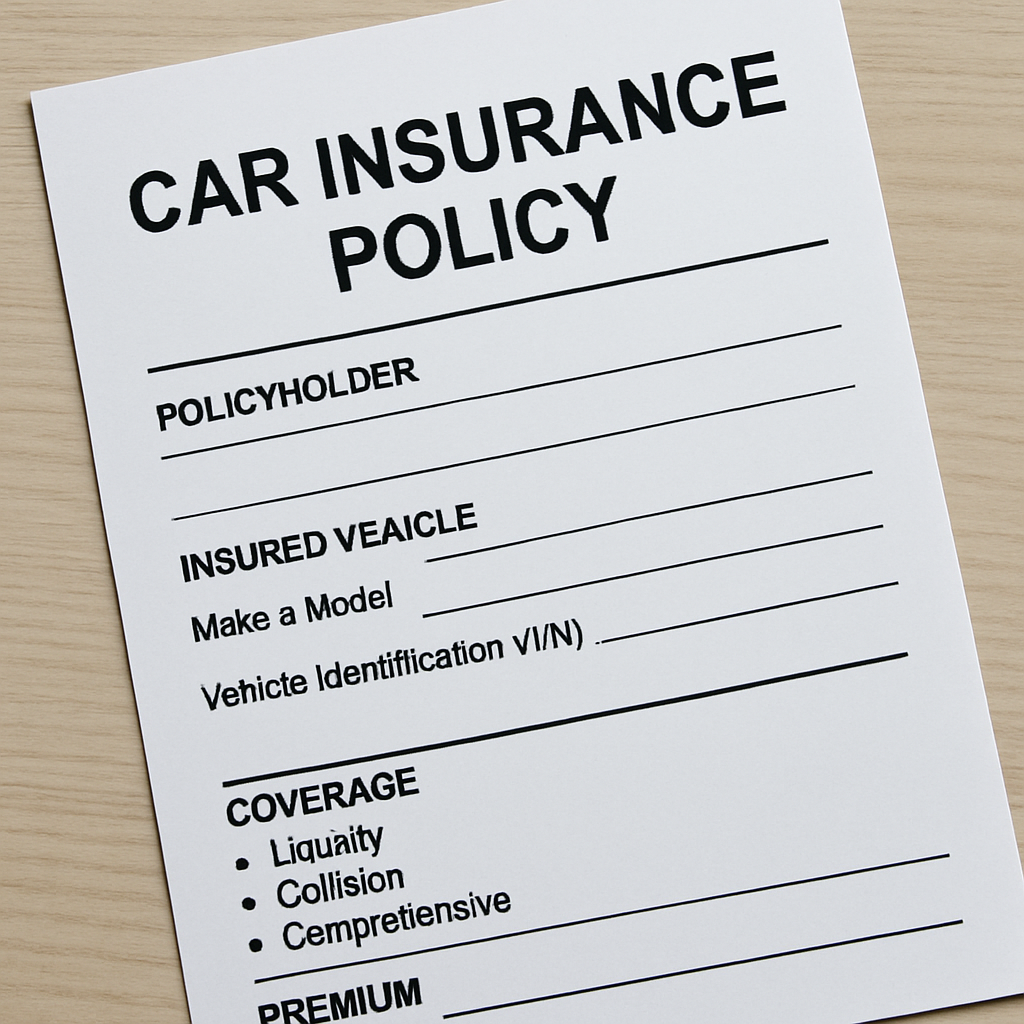
Auto insurance covers your vehicle and can also protect you from liability if you’re involved in an accident. It’s often required by law if you own a car. The key components of auto insurance include:
- Liability Coverage: This is one of the most critical components and is often mandatory. It pays for damages or injuries you cause to others. Understanding state requirements and opting for higher limits can offer more protection.
- Collision Coverage: This coverage takes care of the damage to your car resulting from a collision, regardless of fault. It’s particularly valuable for newer cars, as repairs can be costly.
- Comprehensive Coverage: This protects against non-collision-related damage, like theft or natural disasters. It’s essential to assess your area for risks like flooding or high crime rates.
- Uninsured/Underinsured Motorist Coverage: Offers protection if you’re in an accident with someone who doesn’t have sufficient insurance. This can be crucial since many drivers may not carry adequate insurance.
Renters Insurance

Renters insurance is designed to protect your personal belongings in a rented home or apartment. It typically includes:
- Personal Property Coverage: Reimburses you for belongings that are damaged or stolen. It’s wise to take an inventory of your possessions and know their value.
- Liability Coverage: Covers legal expenses if someone is injured in your rented space. This can prevent financial ruin from lawsuits and medical expenses.
- Additional Living Expenses: Pays for temporary housing if your rental becomes uninhabitable. This ensures you have a place to stay without financial stress during repairs.
Health Insurance
Health insurance is crucial for managing medical expenses. It covers doctor visits, hospital stays, and sometimes prescription drugs. Policies vary widely in coverage and cost, so understanding the terms is vital.
- Preventive Care: Many policies offer free preventive services like vaccinations and screenings, which can catch health issues early.
- Network Restrictions: Be aware of which doctors and hospitals are in-network to avoid high out-of-pocket costs.
- Deductibles and Co-pays: These are amounts you pay before insurance kicks in. Balancing these with premium costs can help manage your budget.
Steps to Choose the Right Insurance Coverage
Now that you understand the basics, let’s explore how to choose the right insurance coverage for your needs.
Assess Your Needs
The first step in choosing insurance is understanding what you need to protect. Consider the following:
- Assets: What valuable items do you own? This includes your car, electronics, furniture, and other personal belongings. Make a list and estimate their value to determine the level of coverage you need.
- Risks: What potential risks do you face? For auto insurance, consider how often you drive and where. For renters insurance, think about the safety of your neighborhood. Assessing these risks helps in selecting appropriate coverage.
- Budget: How much can you afford to pay for insurance premiums? Remember that higher coverage often means higher costs, but it can save you money in the event of a loss. It’s crucial to balance coverage needs with financial capability.
Compare Different Policies
Once you know what you need, it’s time to compare different insurance policies. Here are some tips:
- Research Providers: Look for reputable insurance companies with good customer reviews. Customer service can be as important as coverage, especially when filing claims.
- Get Multiple Quotes: Request quotes from several providers to see how rates and coverage options compare. This process can uncover significant savings.
- Understand Policy Details: Pay attention to coverage limits, deductibles, and exclusions. Make sure you know what is and isn’t covered. Reading the fine print can prevent future disputes.
Consider Discounts and Bundling

by Vlad Deep (https://unsplash.com/@vladdeep)
Many insurance companies offer discounts that can lower your premium. Common discounts include:
- Multi-Policy Discounts: Save by bundling multiple insurance policies (e.g., auto and renters insurance) with the same provider. This can simplify billing and enhance savings.
- Safe Driver Discounts: Earn discounts for maintaining a clean driving record. Defensive driving courses may also qualify you for additional savings.
- Security Discounts: Get a reduction for having security features, like alarms or deadbolts, in your home or car. Investing in security can pay off in reduced insurance costs.
- Loyalty Discounts: Some insurers offer discounts to long-term customers. Staying with one provider can sometimes be financially beneficial.
Review and Adjust Your Coverage Regularly
Your insurance needs can change over time, so it’s important to review your coverage periodically. Consider:
- Life Changes: Have you moved, bought a new car, or acquired valuable items? Update your policy to reflect these changes.
- Life events can significantly alter your insurance requirements.
- Policy Renewals: Before renewing your policy, review your coverage to ensure it still meets your needs. Renewal time is a perfect opportunity to reassess and adjust coverage.
- Market Changes: Insurance rates fluctuate, so it’s a good idea to shop around at least once a year to ensure you’re getting the best deal. Staying informed about market trends can save money.
Common Mistakes to Avoid
When choosing insurance, avoid these common pitfalls:
- Underinsuring: Don’t skimp on coverage to save money. Inadequate insurance can leave you financially vulnerable. It’s better to be slightly overinsured than face a significant loss unprepared.
- Ignoring Policy Details: Overlooking policy terms can lead to unpleasant surprises when you file a claim. Understanding exclusions and limitations is crucial for effective coverage.
- Failing to Compare: Not shopping around can result in paying more than necessary for your insurance. Taking the time to compare can uncover better deals and more comprehensive coverage.
Conclusion
Selecting the right insurance coverage doesn’t have to be daunting. By understanding your needs, comparing policies, and regularly reviewing your coverage, you can protect yourself and your belongings effectively. Remember, insurance is about peace of mind, and choosing the right policy is an investment in your future security. Taking a proactive approach to insurance can safeguard against life’s uncertainties, providing stability and assurance.