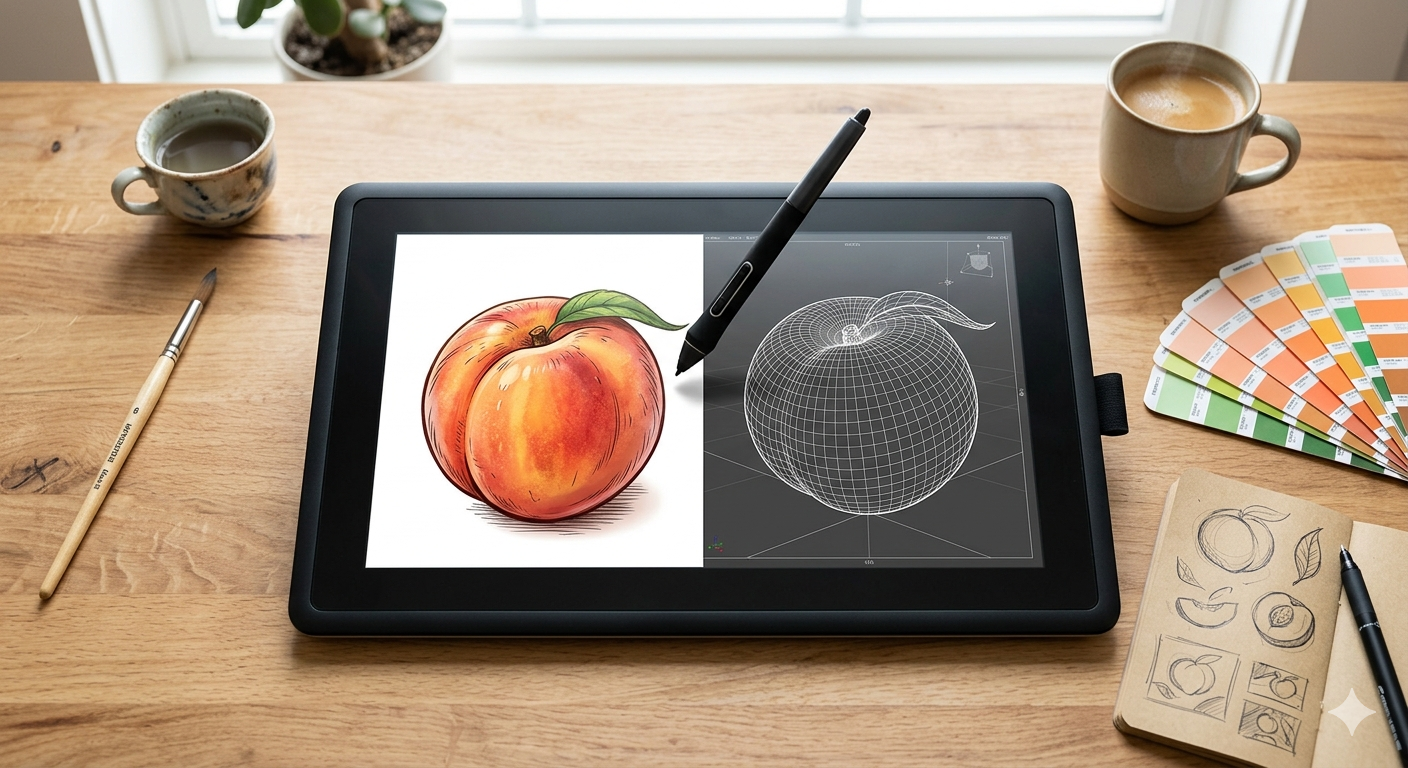
Want to know what digital art actually sells right now?
You can create beautiful art. But turning it into a business? That is a different skillset entirely.
Here is what the data shows: The generative AI in art market hit $880 million in 2026 and is climbing at 42% annually. Meanwhile, 51% of high-net-worth collectors now buy digital art, up dramatically from previous years.
That means two things. First, the market is growing fast. Second, competition is growing faster.
So what separates creators who thrive from those who burn out? Intent. According to industry analysts, digital art in 2026 is “less about tools and more about intent,” knowing what to create, for whom, and how to get paid.
This article breaks down 11 digital art ideas that are actually generating income in 2026, backed by market data and platform trends.
Idea 1: Micro-Animations for Brands and Publishers
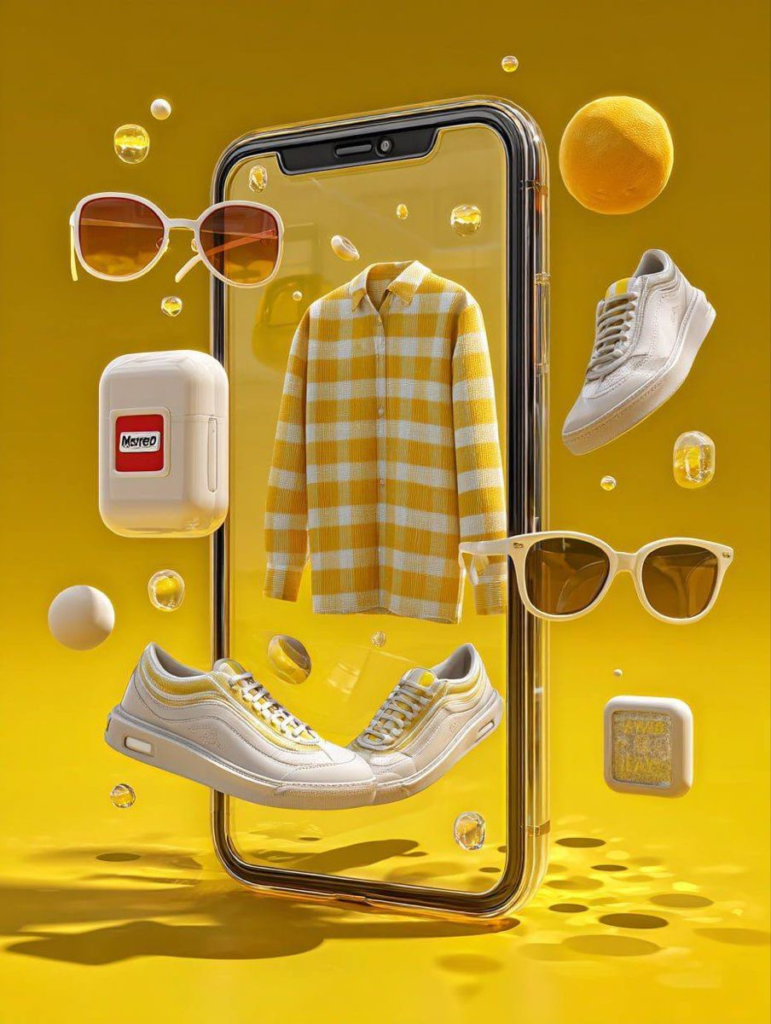
What it is: Short, looping animations, such as blinking eyes, drifting smoke, or swaying fabric, that add subtle motion to static images.
Why it sells in 2026: Audiences are suffering from “AI slop” fatigue. People want work that carries the fingerprints of human creators. Micro-animations deliver that human touch while remaining lightweight enough for web use.
Where the demand is: Publishers and studios are using micro-motion to boost discoverability on social feeds and storefronts. According to creative industry reports, this technique “stretches shelf life” and “turns artwork into living surfaces without becoming full animation.”
Tools to learn: After Effects (layered subtlety), Procreate Dreams (hand-drawn motion), Blender (environmental loops), Rive (interactive lightweight images).
Monetization path: Sell directly to publishers, offer as premium assets on Creative Market, or build a library for subscription platforms.
Idea 2: 2D/3D Hybrid Illustrations

What it is: Artists paint over 3D-rendered scenes, combining the technical precision of 3D modeling with the warmth and texture of 2D painting.
Why it is trending: 3D software has become faster, more accessible, and often free. Blender leads the pack, and browser-based apps like Womp and Adobe’s Project Neo are removing traditional barriers. The result is that concept artists can build complex perspectives in 3D, then paint over them, saving time while expanding creative possibilities.
Who is buying: Animation studios (especially for films with hybrid styles like Spider-Verse), game developers, and advertising agencies.
Pro tip: If you already paint in 2D, spend 30 days learning Blender basics. The Substance 3D Viewer in Photoshop also makes working with 3D objects easier without leaving your comfort zone.
Idea 3: Immersive AR/VR-Ready Art
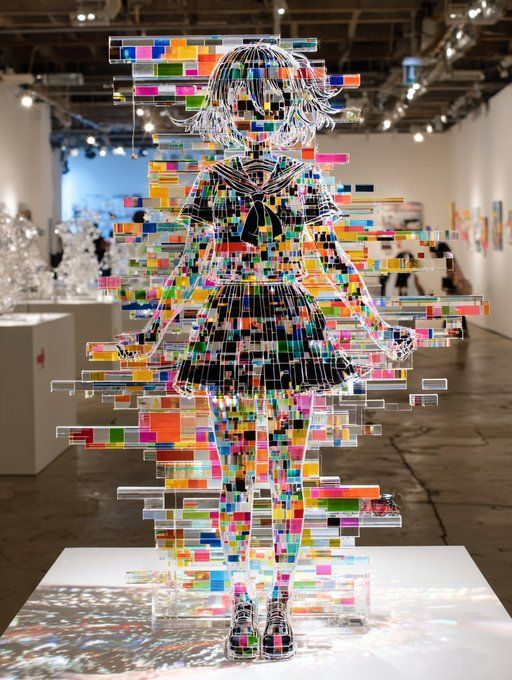
What it is: Digital sculptures, environments, and interactive pieces designed for augmented and virtual reality headsets.
Why now matters: VR sculpting tools have matured. Apps like Gravity Sketch and Shapelab Lite work on Meta Quest 3s, and no expensive headset is required. Many artists find that learning 3D naturally leads to experimenting with placing work into AR or VR settings.
The business case: Commercial installations, virtual galleries, gaming environments, and real estate visualization. Early adopters are positioning themselves ahead of the curve as hardware becomes standard.
Starting point: Experiment with Procreate’s built-in AR view before investing in dedicated VR tools.
Idea 4: Digital Assets with Zero Marginal Cost
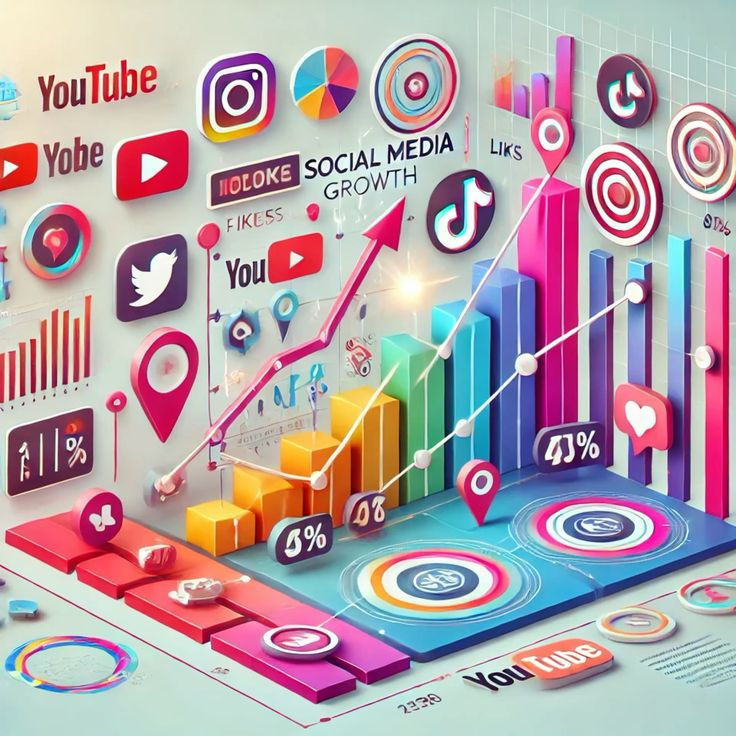
What it is: Vector illustrations, interface templates, 3D models, and font packs sold repeatedly through online marketplaces.
The economics explained: The first asset takes hours to create. The hundredth sale costs nothing. This is the “zero marginal cost” advantage that separates product-based revenue from service-based trading-time-for-money work.
Platform options: Creative Market, Envato, Etsy, Gumroad.
What sells in 2026: Canva templates are in high demand among marketers and bloggers. Fonts remain steady sellers for designers and developers. Logo packs appeal to small business owners. Digital art prints attract collectors.
Reality check: Building a catalog takes time. But research shows that creative professionals who leverage scalable digital models maximize earnings compared to those relying entirely on hourly client work.
Idea 5: Generative AI-Assisted Collections
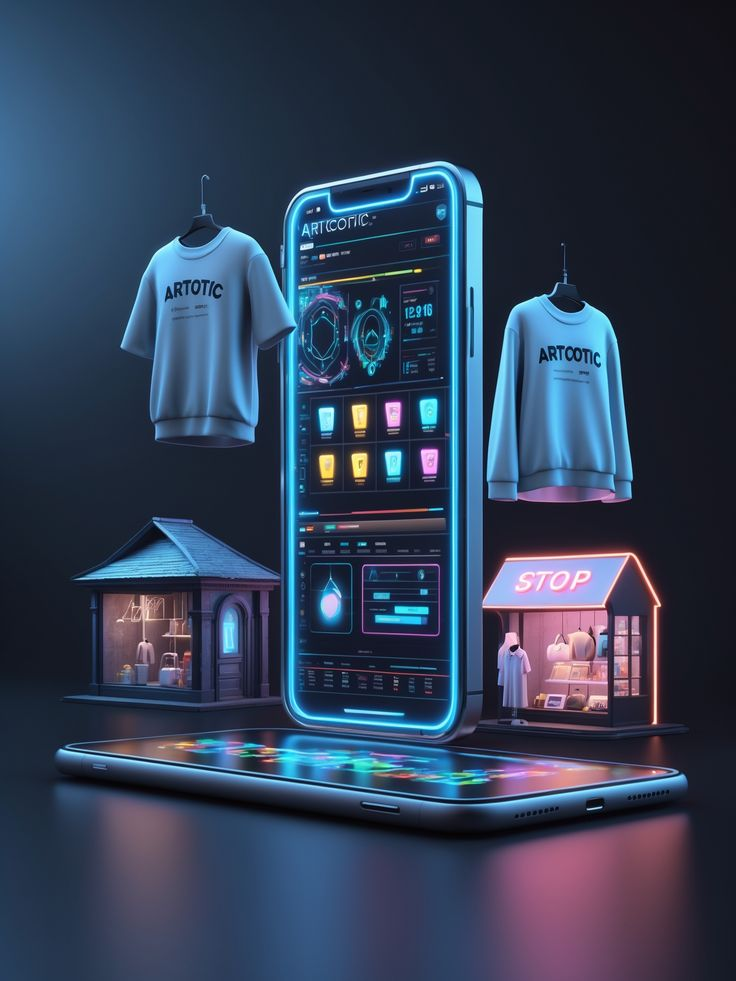
What it is: Art created through human-AI collaboration, using tools like Adobe Firefly, Midjourney, or Leonardo AI as part of the creative process, not the entire process.
The data point: Two out of three Photoshop beta users now use generative AI daily in their workflows. Adobe’s Deepa Subramaniam notes that AI “has become an essential part of their toolkit and a key competitive edge.”
But here is the catch: Audiences are rejecting pure AI output. The winning approach uses AI for ideation, rendering speed, and iteration, with human finishing, storytelling, and emotional depth providing the final value.
Monetization: Commercial licensing, print-on-demand, and digital marketplaces. According to Adobe’s VP, “You are the creator. AI is meant to enhance your workflow, not replace you.”
Idea 6: Traditional Mediums Turned Digital
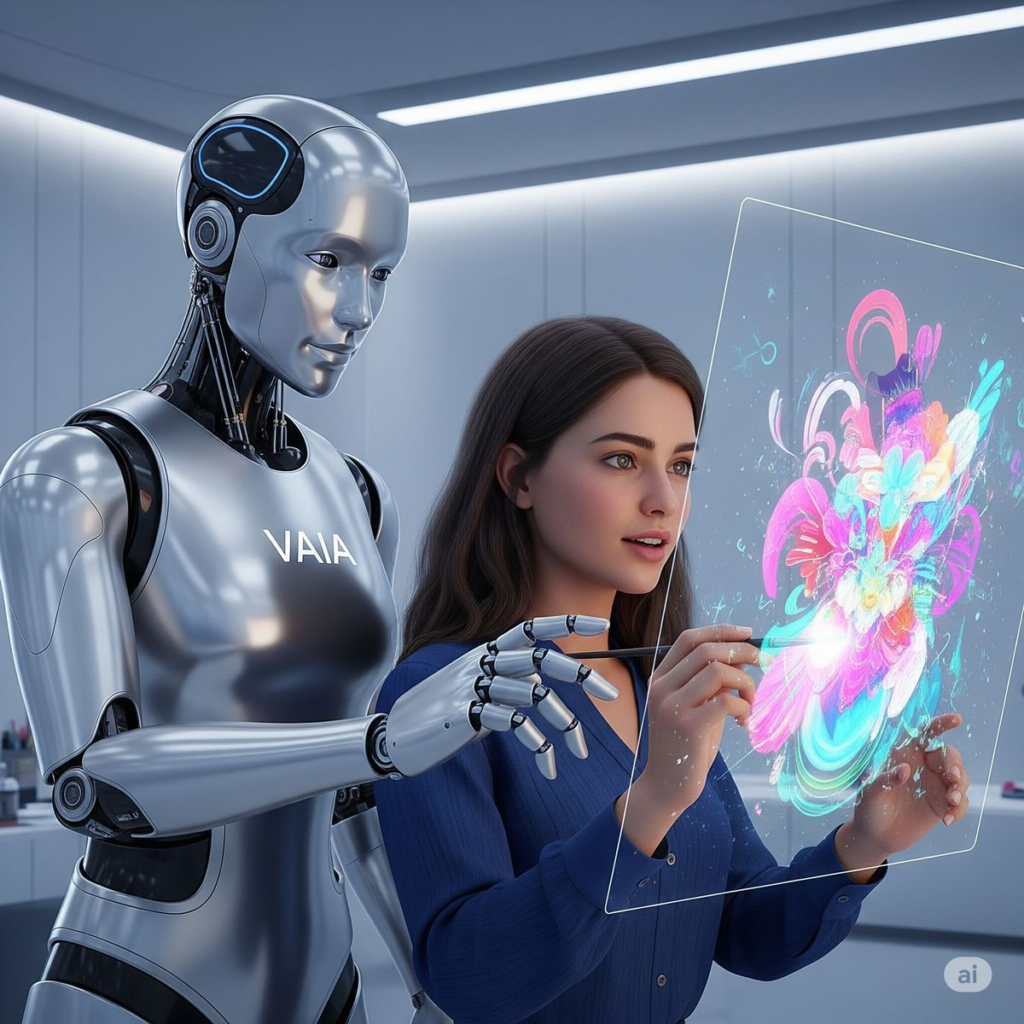
What it is: Physical art (acrylic, watercolor, sculpture, ink) digitized and sold as high-resolution files, prints, or licensed assets.
The counter-trend: As AI floods digital spaces, some artists are intentionally returning to traditional media as an “antidote to high-tech overload.” These physical originals become more valuable, and their digital copies carry that authenticity premium.
For example: VitaliV, a veteran artist working in “Schematism” (a geometric, emotionally driven style), sold out his entire collection at the British Art Fair. His acrylic-on-dibond piece Still Life, 2025 went for £6,500.
The takeaway: Traditional skills translate to digital income. Scan your work at high resolution, build an asset library, and sell through multiple channels.
Idea 7: Interactive Storytelling and Comics
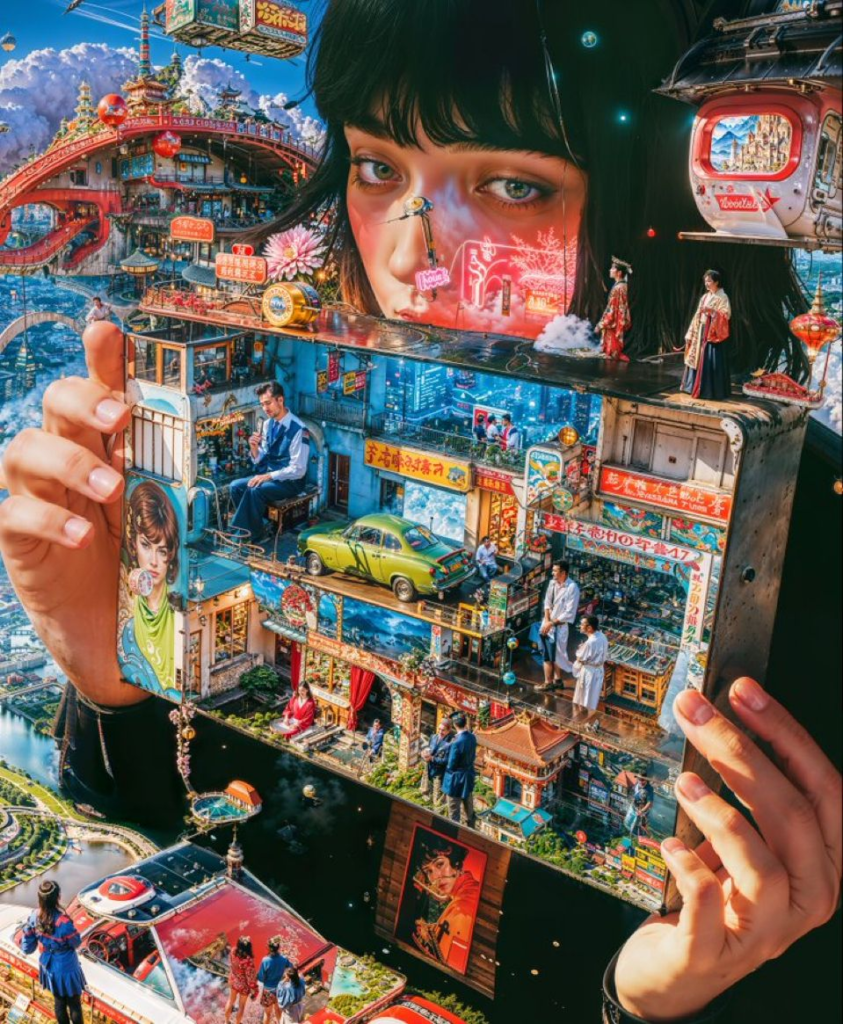
What it is: Digital narratives enhanced with micro-animation, sound, and reader-driven choices, distributed through webtoon platforms or interactive book apps.
Why it is growing: Comics and visual storytelling are finding new audiences through platforms that support multimedia layers. Micro-animation “can bring rhythm to still art and help comics find a new audience.”
Business model: Platform ad revenue (Webtoon, Tapas), Patreon subscriptions, or selling completed interactive books.
Skill stack: Procreate for drawing, After Effects for motion, and basic sound design.
Idea 8: NFTs with Actual Utility

What it is: Non-fungible tokens tied to real value, such as access to communities, physical prints, in-game assets, or future royalties.
The big shift: The NFT hype peaked in 2021. What remains in 2026 is quieter, more mature, and focused on sustainable value. The digital art market is now valued at $5.5 to 6.2 billion, with digital art becoming the third-largest spending category among high-net-worth collectors.
Who is buying: Gen Z and Millennial collectors. Their share of auction bidding nearly doubled between 2018 and 2025, from 12.6% to 23.8%.
The reality: Pure speculation is dead. But collectors still buy innovation, aesthetic depth, and future value. If you enter this space, lead with the art, not the hype.
Idea 9: Custom AI-Generated Brand Assets
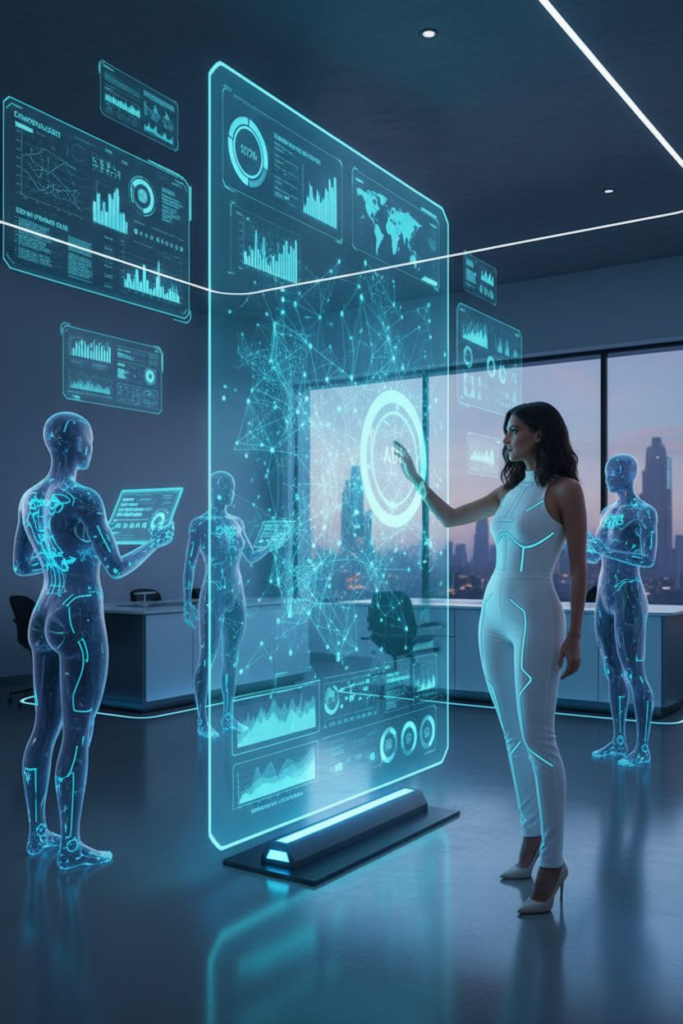
What it is: Creating automated systems or templates that generate logos, social media graphics, or branding kits for small businesses.
The Adobe angle: At Adobe Summit 2026, the company previewed Asset Amplify, a tool that generates entire websites and social collateral targeted to specific audiences like Gen Z or Millennials.
The opportunity: While big brands get custom AI solutions, small businesses need affordable, human-crafted assets. Position yourself as the bridge between AI efficiency and human design judgment.
Pricing model: Asset packs (
50to
50to500), subscription access (
29to
29to99 per month), or custom branding packages (
1,000to
1,000to5,000).
Idea 10: Educational Art Content (Courses and Tutorials)

What it is: Teaching what you know through video courses, written tutorials, brush packs, and project files.
Why it works: The skill gap is widening. As tools evolve with Blender updates, new AI features, and animation software, artists need guidance. If you have mastered something, someone will pay to learn it faster.
Platform options: Sell on your own site (using Gumroad or Payhip), join marketplaces (Udemy, Skillshare), or build a YouTube plus Patreon funnel.
Proven formats: “How I made this piece” breakdowns, software-specific tutorials (for example, “Procreate for Beginners”), and asset packs with instructional videos.
Idea 11: Cross-Platform Visual Identity Systems
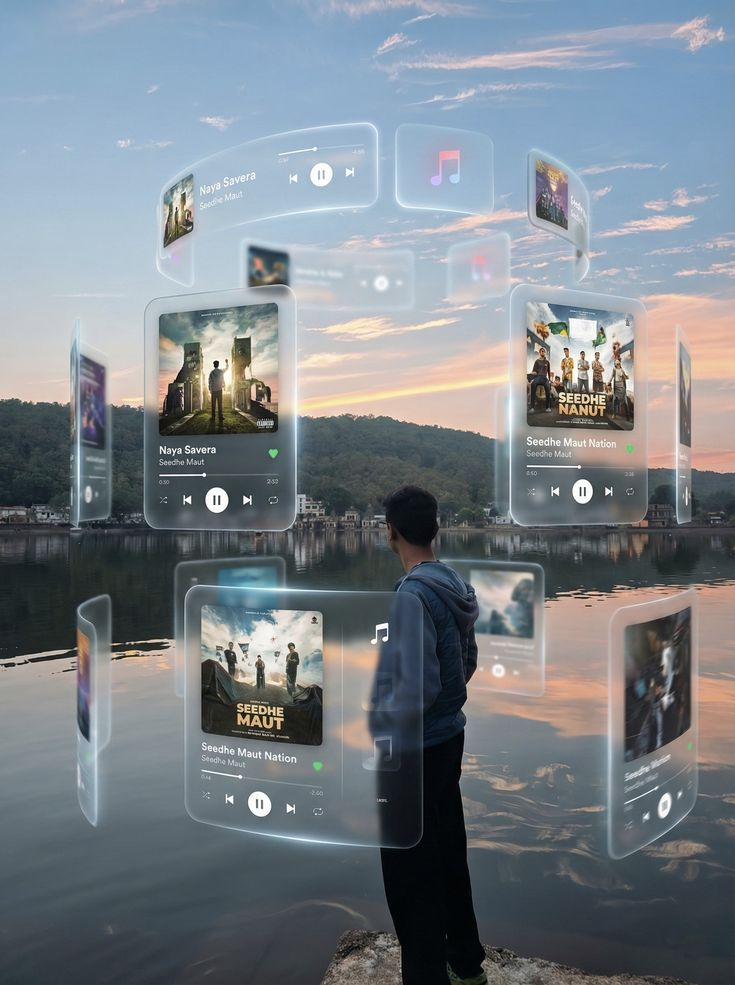
What it is: A unified visual language that works across a brand’s entire presence, including website, social media, packaging, email, and advertising.
Why this pays: Major platforms are moving beyond generic assets. They want tools that “understand, and build for, their specific audience niche.” Brands will pay premium rates for designers who can create coherent systems, not just individual assets.
Who needs this: Startups, e-commerce brands, content creators, and agencies outsourcing overflow work.
How to start: Build a portfolio showing how your work adapts across formats, from Instagram stories to billboards to email headers. Package your system as a product (for example, “Complete Brand Kit for $X”).
Building the Business: What Actually Works
Let’s get practical.
Platform strategy: Do not rely on one marketplace. Diversify. Sell on Creative Market or Etsy for discovery. Build an email list for direct sales. Use Instagram and TikTok for portfolio visibility.
Pricing framework: Start with low-cost assets (
5to
5to15) to build reputation. Introduce premium collections (
50to
50to200) as your audience grows. Offer custom work (
500to
500to5,000 and up) for businesses with specific needs.
Passive versus active income: Asset sales generate passive revenue. You create once and sell many times. Client work generates active revenue, which is higher per project but capped by your hours. According to research, the most successful creative professionals balance both models.
Legal basics: Use licensing agreements. Retain copyright. Specify commercial versus personal use. Intellectual property knowledge is required for sustainable creative businesses.
The Bottom Line
The digital art market is larger than ever, with the broader AI art space projected to reach $17.25 billion by 2030. But size does not guarantee individual success.
What separates profitable artists from struggling ones comes down to three things:
- Intentionality (Create for specific buyers, not vague audiences)
- Hybrid skills (Combine 2D, 3D, animation, and traditional techniques)
- Business literacy (Understand pricing, licensing, and platforms)
As one industry observer put it, “Digital art in 2026 is less about tools and more about intent.” The tools are everywhere. The question is what will you build with them?