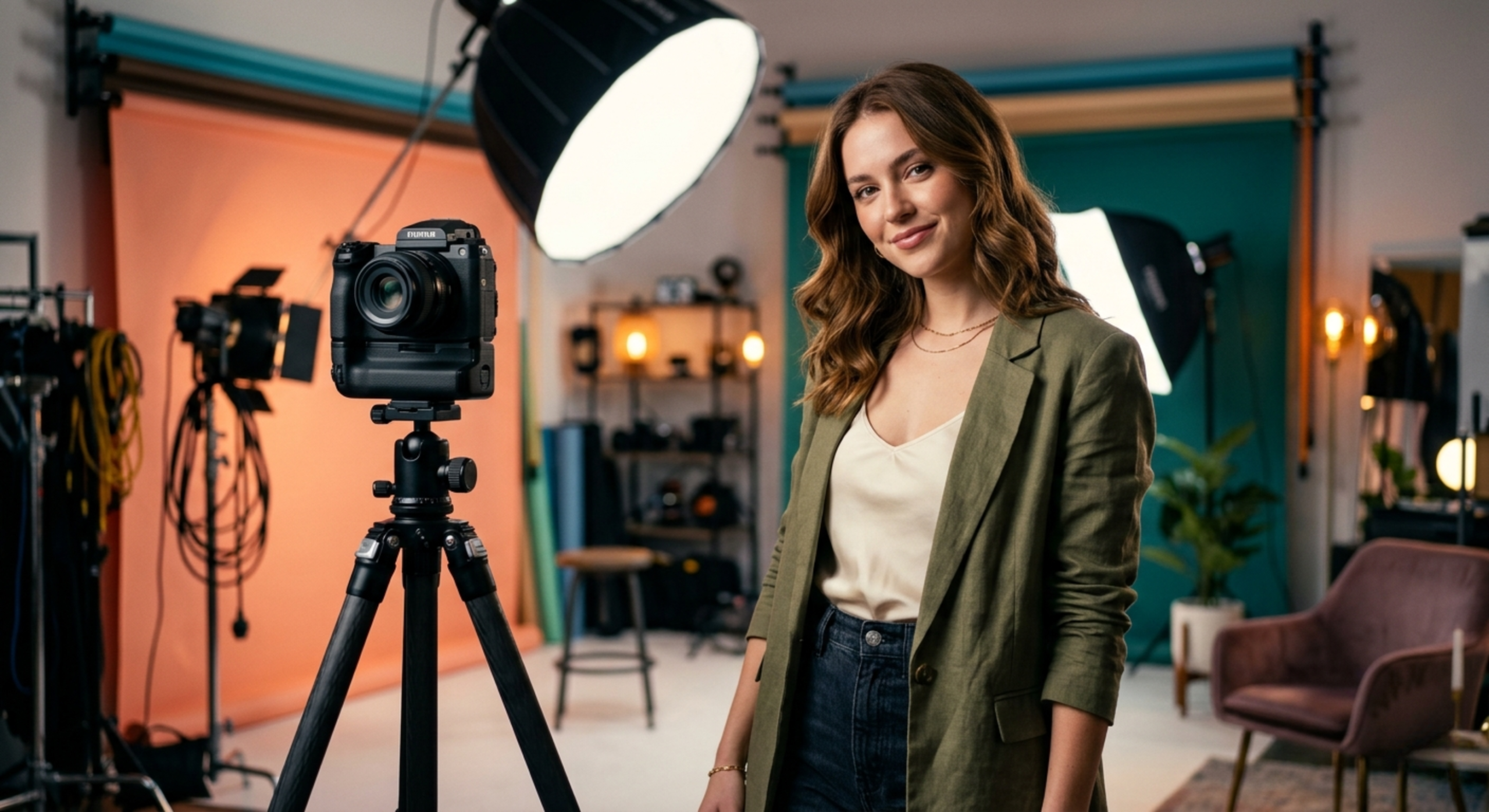
Most people believe they simply “don’t photograph well.” In reality, the difference between an awkward picture and a flattering portrait usually comes down to how you pose.
Professional photographers consistently emphasize that posture, angles, and subtle body movements dramatically change how a person appears on camera. Small adjustments such as shifting weight to one leg, angling the body slightly, or relaxing the hands can transform stiff snapshots into confident portraits.
If you’ve ever wondered how to pose for photos without looking awkward, the good news is that posing is a learnable skill. With a few simple techniques used in portrait photography, anyone can appear more relaxed, natural, and confident in pictures.
Below are 15 easy posing tips for natural and flattering portraits that photographers commonly recommend.
The Fundamentals of Natural Portrait Posing
Before diving into specific poses, it helps to understand the basic principles behind flattering photography.
According to photography guides and portrait experts, good posing typically relies on a few key elements:
- Angles instead of straight lines to add dimension
- Weight distribution that prevents stiff posture
- Purposeful hand placement to avoid awkward arms
- Relaxed facial expressions to convey emotion
- Slight movement to keep poses dynamic
Many photographers also note that facing the camera directly often creates a flat appearance, while turning the body slightly can produce a more flattering silhouette.
With these principles in mind, the following tips can help improve nearly any portrait.
15 Easy Posing Tips for Natural and Flattering Portraits
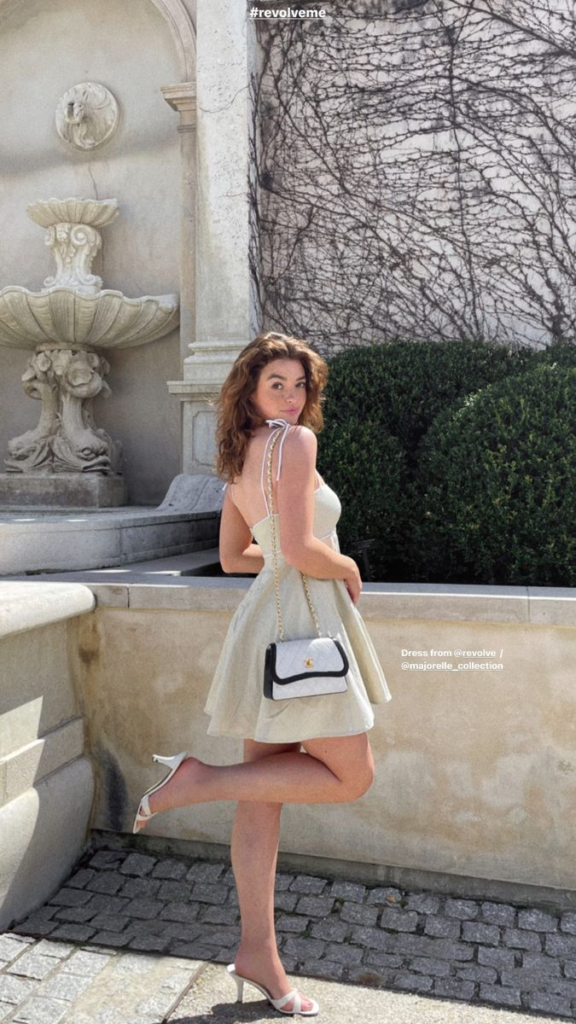
1. Shift Your Weight to One Leg
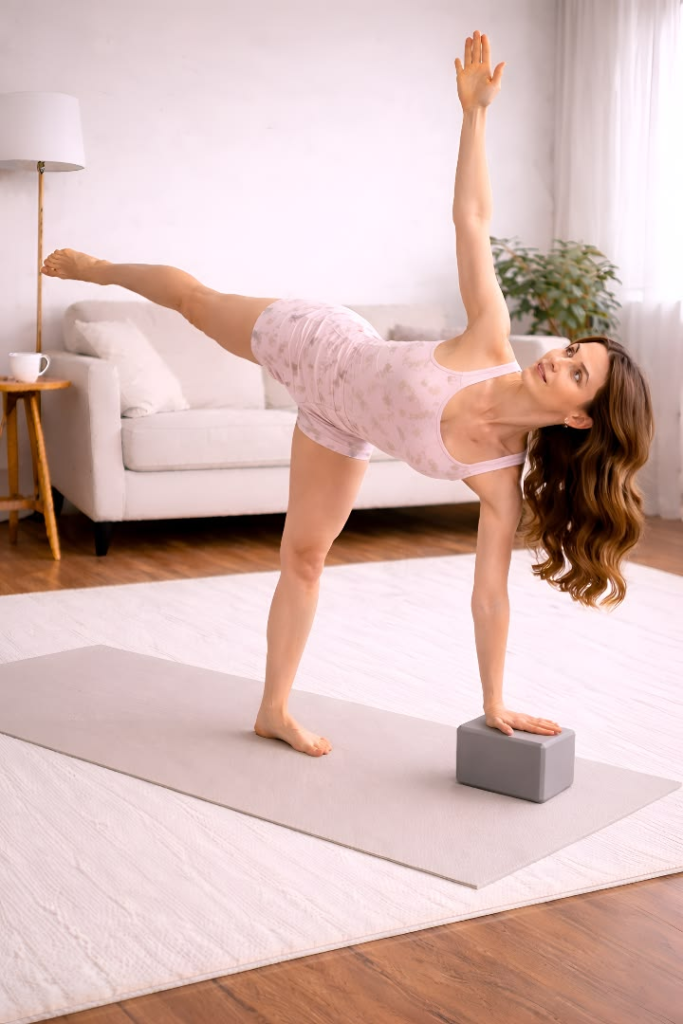
One of the most widely recommended posing techniques is to shift your weight onto one leg instead of standing evenly on both feet.
This simple adjustment:
- Creates a natural curve in the body
- Prevents stiffness
- Adds movement and balance
Portrait photography guides explain that even a slight weight shift can make a pose appear relaxed instead of rigid.
2. Turn Your Body Slightly Away From the Camera
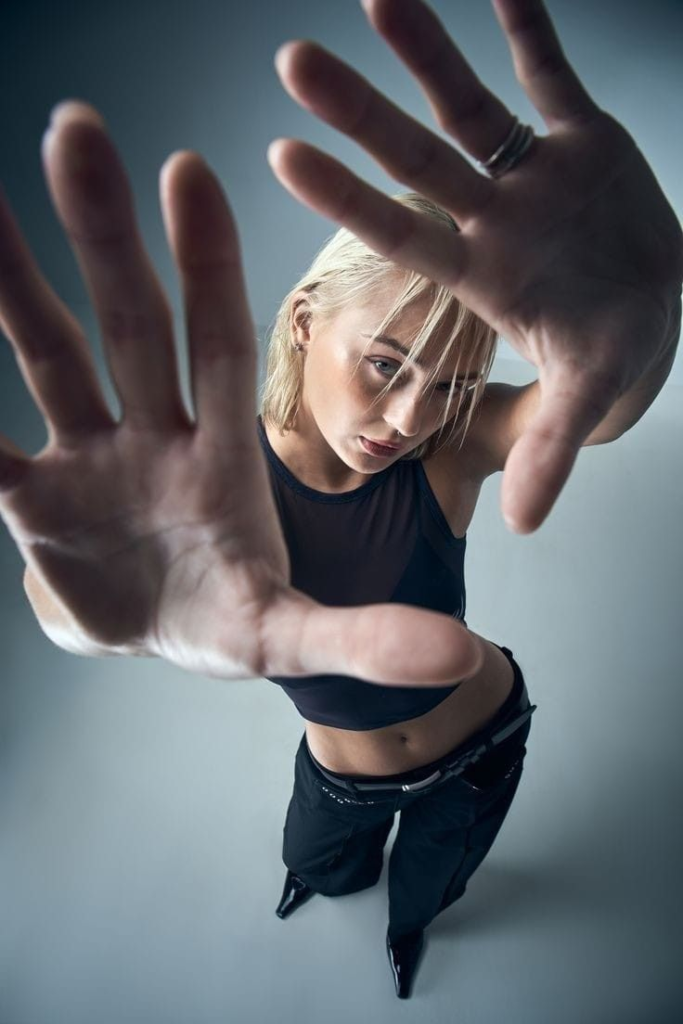
Standing straight toward the camera can make the body look wider and less dynamic.
Instead:
- Turn your body about 30 to 45 degrees
- Keep your shoulders angled
- Let your head turn back toward the camera
This subtle twist adds depth and dimension to portraits.
3. Maintain Good Posture
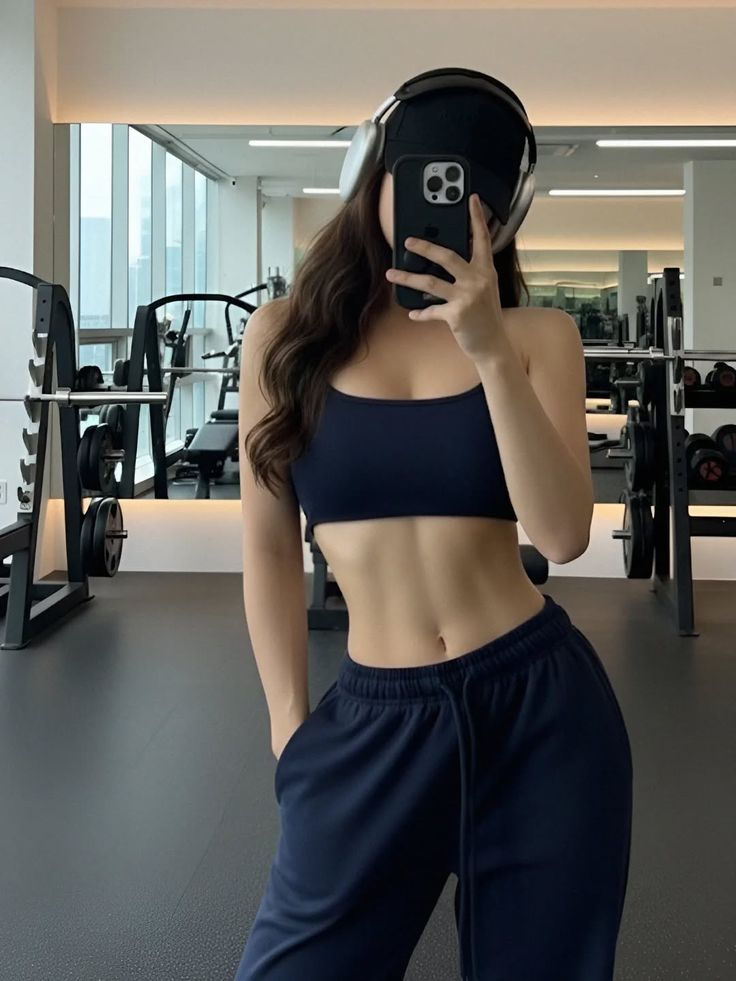
Good posture instantly improves how a person looks in photos.
Keep in mind:
- Stand tall with your back straight
- Relax your shoulders
- Avoid slouching
Photographers often note that posture alone can make a portrait look more confident and polished.
4. Push Your Chin Slightly Forward
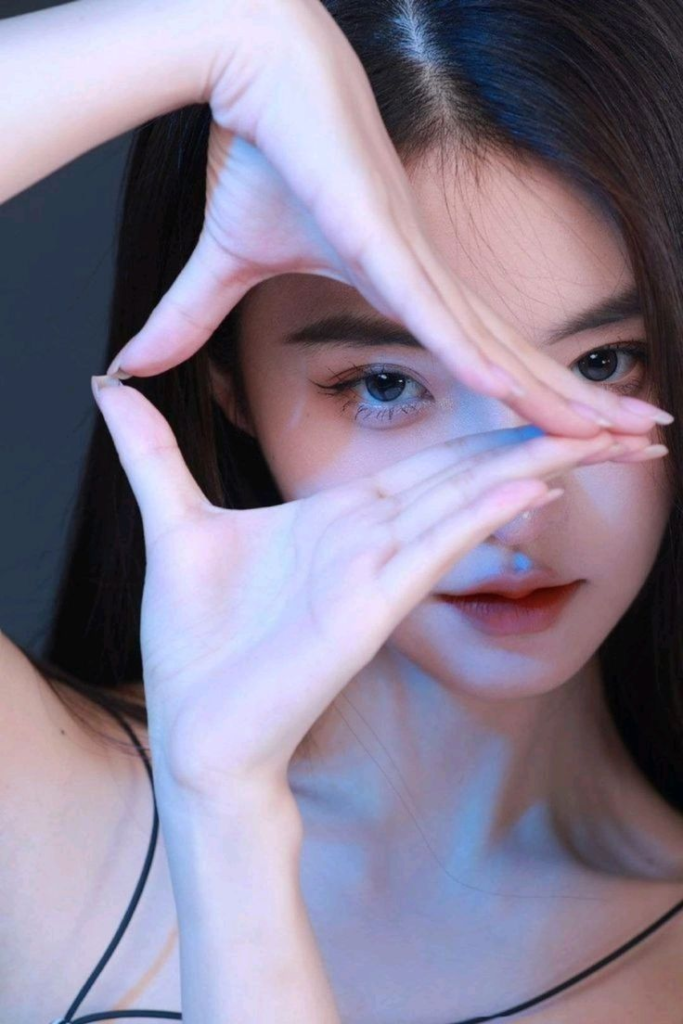
It may feel unusual, but moving your chin slightly forward and down helps define the jawline.
This small movement can:
- Reduce the appearance of a double chin
- Sharpen facial features
- Improve headshot angles
Many portrait photographers rely on this trick for professional headshots.
5. Create Space Between Your Arms and Body
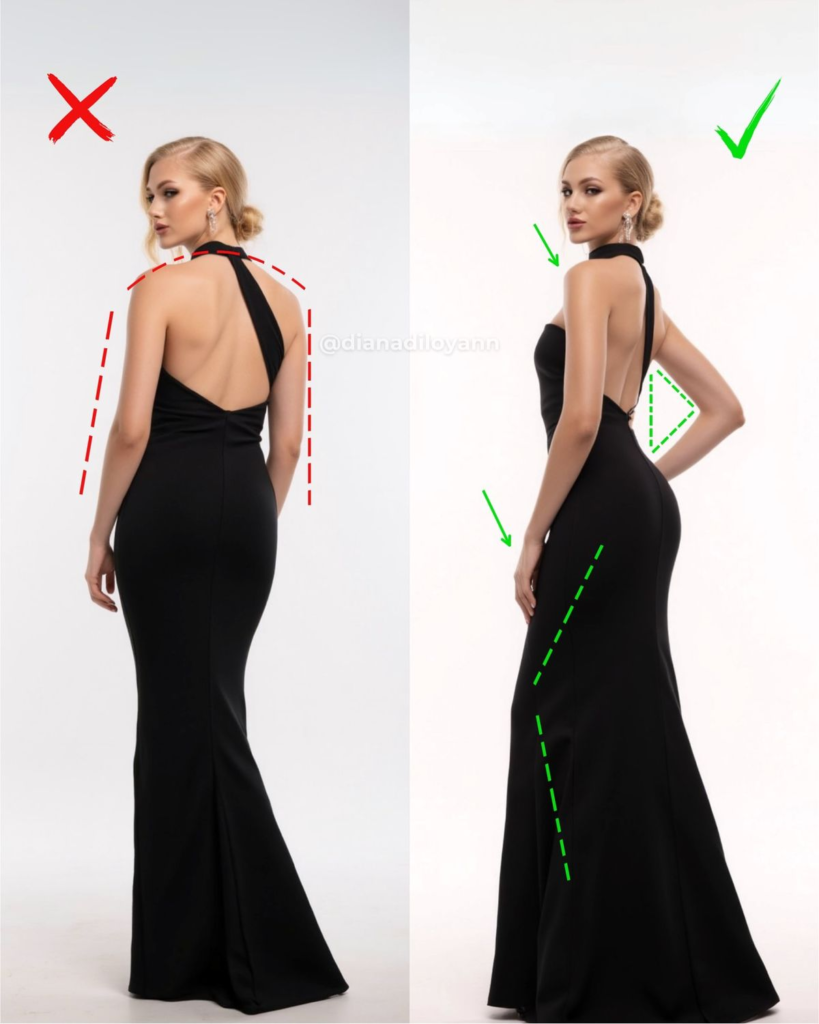
When arms press tightly against the body, they appear larger and can make the pose look stiff.
Instead:
- Bend your arms slightly
- Leave a small gap between your arm and torso
- Let your elbows create natural angles
This technique adds shape and movement to the pose.
6. Give Your Hands Something to Do
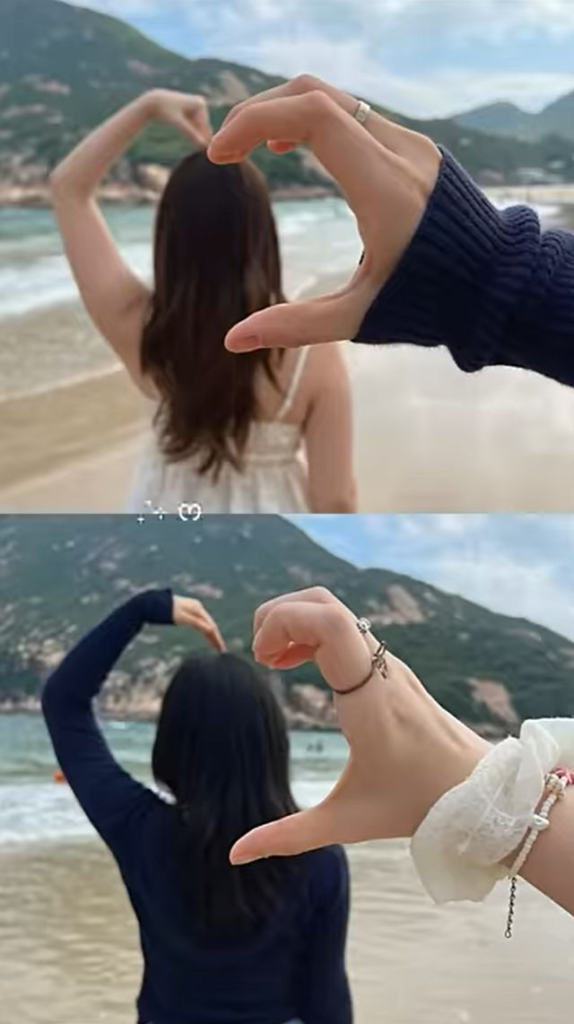
Hands are often the most awkward part of posing.
To avoid “dead hands,” try:
- Placing a hand in a pocket
- Resting hands on hips
- Touching hair or clothing
- Holding an object or accessory
Purposeful hand placement makes portraits look more natural.
7. Tilt Your Head Slightly
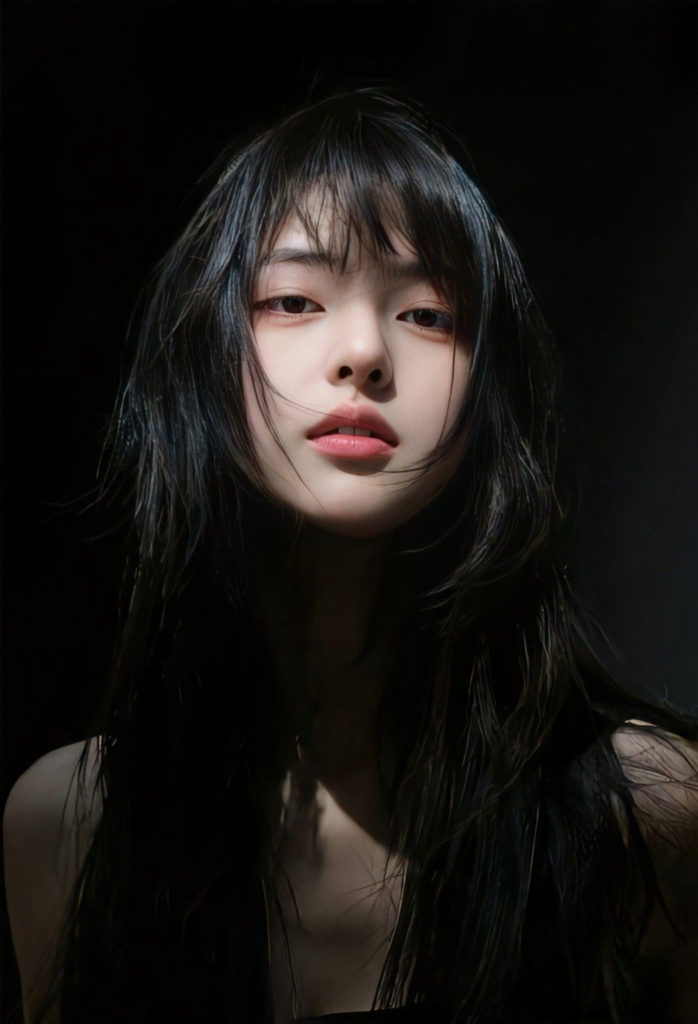
A small head tilt can dramatically change the mood of a portrait.
- A slight tilt often appears approachable and relaxed
- A straight head position can convey strength or confidence
Subtle variations allow photographers to capture different emotions.
8. Relax Your Face

Overthinking expressions often leads to stiff or unnatural photos.
Photographers frequently recommend:
- Taking a deep breath
- Thinking of a pleasant memory
- Letting your expression soften naturally
Relaxed facial muscles produce the most authentic portraits.
9. Use Your Eyes to Connect With the Camera
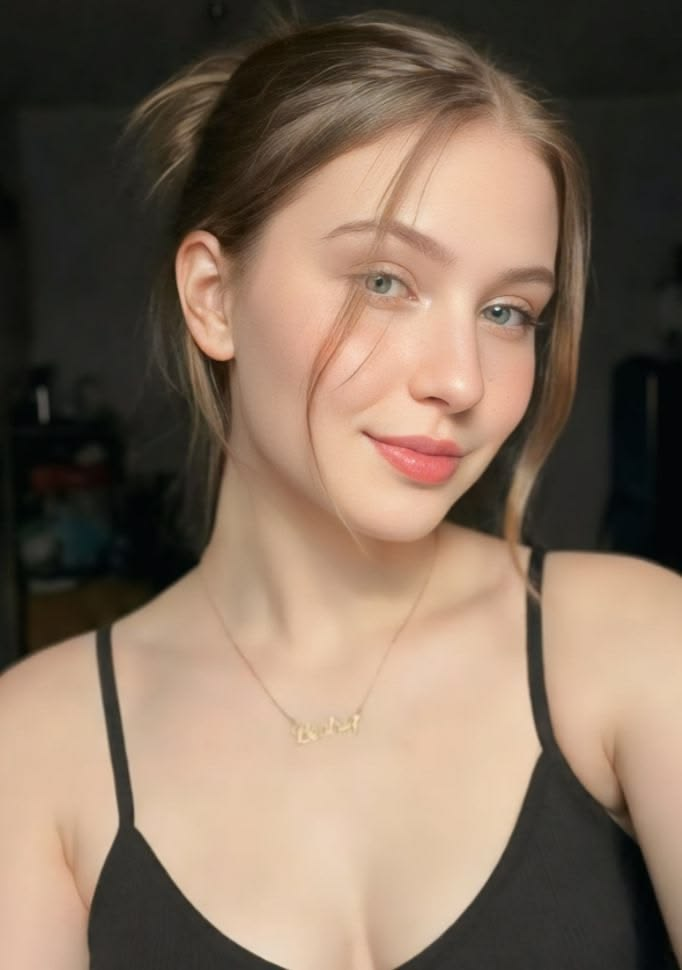
Eyes play a major role in portrait photography.
Depending on the desired mood, you can:
- Look directly into the camera for connection
- Look slightly away for a candid feel
- Focus just above the lens for a dreamy effect
Expressive eyes help convey emotion in photos.
10. Angle Your Shoulders
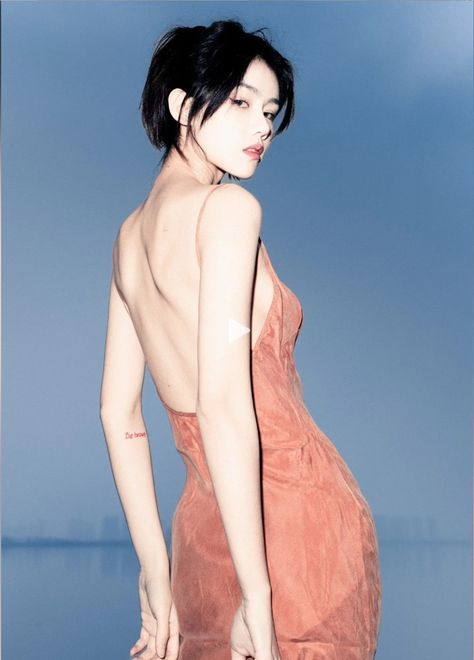
Instead of keeping shoulders flat, try adjusting them slightly.
For example:
- Bring one shoulder slightly forward
- Raise or drop one shoulder subtly
This asymmetry adds interest and prevents static poses.
11. Bend Your Joints Slightly
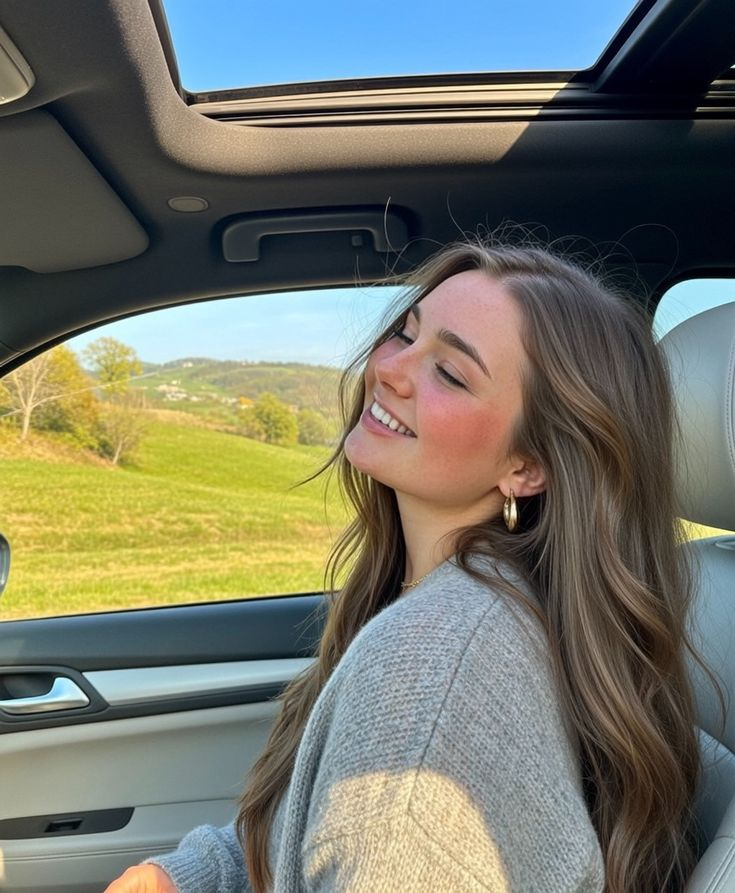
Straight arms and legs can look rigid in photographs.
Professional posing guides suggest:
- Bending elbows slightly
- Softening knee positions
- Avoiding locked joints
Small bends create fluid body lines.
12. Lean Slightly Forward When Sitting

Seated portraits benefit from slight movement toward the camera.
Try this approach:
- Sit tall with good posture
- Lean forward just a little
- Rest hands gently on knees or lap
This posture creates a more engaging and approachable image.
13. Try Movement Instead of Static Poses
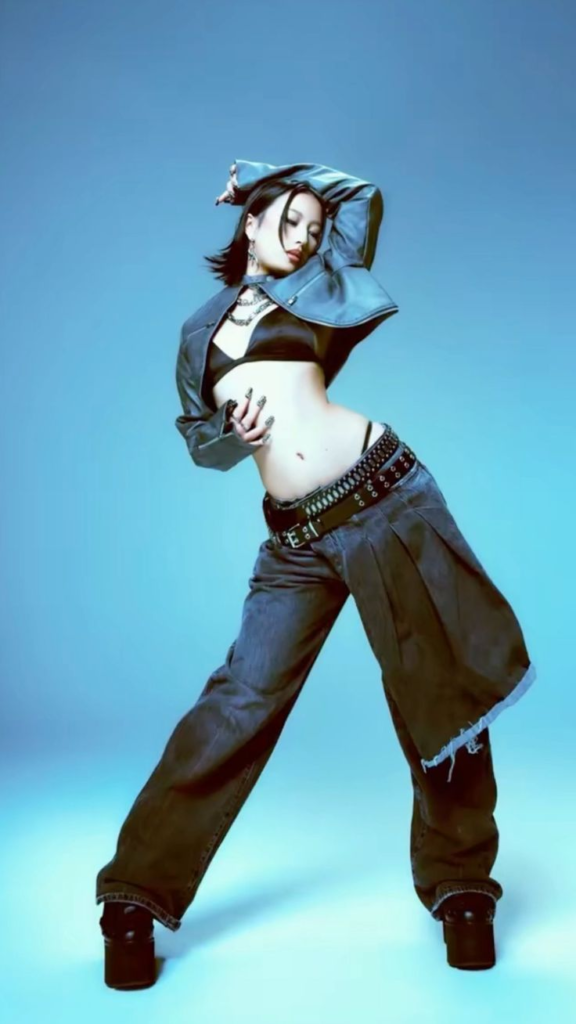
Some of the most natural photos happen during movement.
Examples include:
- Walking slowly toward the camera
- Adjusting a jacket
- Turning mid-step
Movement helps produce candid, dynamic portraits.
14. Use the Environment
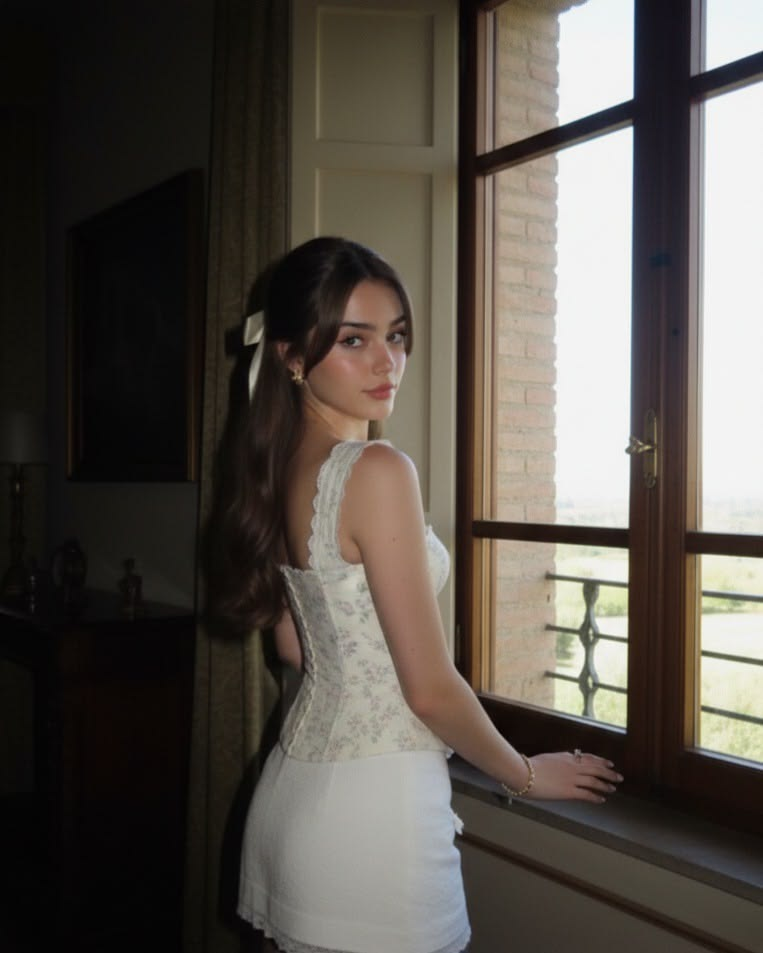
Interacting with surroundings makes posing easier.
For instance:
- Lean against a wall
- Sit on steps
- Rest a hand on a railing
These natural anchors prevent awkward posture.
15. Practice in Front of a Mirror
Many photographers suggest practicing poses beforehand.
Doing so helps you:
- Learn your best angles
- Understand how your body moves
- Feel more comfortable during photoshoots
Even a few minutes of practice can build confidence.
Common Posing Mistakes to Avoid
Understanding mistakes can be just as important as learning good poses.
Stiff Body Language
Rigid posture makes photos look unnatural. Slight bends and movement create better results.
Facing the Camera Directly
Flat angles reduce depth. Turning the body slightly produces a more flattering silhouette.
Awkward Hands
Hands hanging straight down often look uncomfortable. Give them a purpose.
Forced Expressions
Overly posed smiles rarely look genuine. Relaxation creates more authentic portraits.
Why Good Posing Matters in Portrait Photography
Posing plays a crucial role in portrait photography because it influences:
- Body proportions
- Facial symmetry
- Emotional expression
- Visual balance within the frame
According to many professional photographers, lighting and camera equipment matter less than how comfortable the subject feels in front of the lens. A relaxed subject naturally produces better photographs.
Good posing also helps communicate the intended mood of the image, whether it is confident, professional, relaxed, or candid.
Final Thoughts
Learning how to pose for photos doesn’t require modeling experience. In most cases, the difference between an awkward picture and a flattering portrait comes down to small adjustments in posture, angles, and expression.
Simple techniques such as shifting weight to one leg, angling the body, relaxing the hands, and using natural movement can dramatically improve how you look in photos.
With a bit of practice and awareness of these posing techniques, anyone can create natural, confident, and visually balanced portraits whether the photo is a casual snapshot, a social media post, or a professional headshot.